 Skip to the content
🏆 Quick Pick
Best Overall: Portable Water Filters — Faster, better-tasting water and lower long-term cost for most backpackers.
Best Budget Option: Water Purification Tablets — Extremely cheap and lightweight, but you’ll trade convenience and taste.
Best for Remote Wilderness Treks: Portable Water Filters — Ideal when treating large amounts of water from streams, lakes, and rivers.
(Keep reading for the full breakdown — including the ones I’d avoid.)
⚡ Quick Answer
Portable water filters are the better choice for most backpackers because they provide immediate access to cleaner water, improve taste, and cost less per liter over time. Water purification tablets typically cost $8–$20 per pack and remain an excellent backup, but relying on them alone can become frustrating during longer trips where daily water treatment is required.
thebagpacker.com – Selecting reliable portable water filters involves balancing weight, effectiveness, convenience, and the environments where they’ll be used. While lightweight gear is important for backpackers, water treatment solutions should also be evaluated based on safety, filtration capability, and long-term practicality.
The most common regret? Choosing based on pack weight alone.
A tiny packet of tablets looks unbeatable on paper. Then you’re sitting beside a muddy trail source waiting 30 minutes—or longer—for treatment while everyone else is already hiking. I’ve seen this happen repeatedly during international backpacking trips and multi-day wilderness treks.
After testing both methods across mountain routes, rural villages, and long-distance backpacking journeys, one thing became clear: the best option isn’t determined by weight. It’s determined by how you’ll actually use it when you’re tired, thirsty, and miles from the next reliable water source.
A clear verdict is coming. But first, let’s talk about what really matters.

Quick Verdict (TL;DR)
For most backpackers, portable water filters win.
They provide immediate access to drinking water, improve taste, and become more economical the longer you travel. Tablets still have a place. They’re inexpensive, ultralight, and excellent as an emergency backup.
If I could only carry one system on a month-long backpacking trip, I’d take a portable filter and pack tablets as a backup.
For broader preparation strategies, see our guide on travel preparedness in the Backpacker Safety & Survival section at The Bagpacker Emergency Travel Preparedness Hub.
What Actually Matters When Choosing Portable Water Filters or Tablets
Most comparison articles focus on weight.
That’s a mistake.
The real question is whether the system consistently delivers safe drinking water travel conditions without slowing you down or creating new risks.
1. Contaminants Removed vs Contaminants Treated
Not all threats are equal.
Most portable filters excel at removing bacteria and protozoa. However, some do not effectively address viruses. The U.S. Environmental Protection Agency notes that treatment effectiveness depends on the specific technology used and target organisms. EPA drinking water treatment information
Tablets can be highly effective against viruses, which is why many experienced travelers carry both systems.
2. Weight, Packability, and Daily Convenience
Tablets win the weight battle.
No contest.
A small blister pack weighs almost nothing. Portable filters add bulk. But here’s the thing: convenience often matters more than a few extra ounces once you’re treating water several times per day.
3. Cost Per Liter Over Time
Many backpackers underestimate this factor.
A filter might cost more upfront, but frequent travelers often save money because one filter can process hundreds or thousands of liters before replacement.
Tablets appear cheaper initially. Over months of travel, that equation often flips.
4. The Overlooked Factor: Water Source Quality
Every buyer focuses on treatment technology.
The thing that actually predicts satisfaction is water source quality.
Clear mountain streams are very different from stagnant ponds, floodwater, or questionable rural taps. Poor-quality water often clogs filters faster and can make tablets less appealing because they don’t remove sediment or improve taste.
5. Speed Matters More Than Most Buyers Expect
Thirst changes decision-making.
When backpackers become dehydrated, waiting for treatment feels much longer than it sounds on a package label.
The U.S. Centers for Disease Control and Prevention notes that treatment methods vary significantly in effectiveness and waiting times depending on contaminants and conditions. CDC water treatment guidance for travelers and outdoors users
💡 Key Takeaway: The best water treatment system isn’t necessarily the lightest. It’s the one you’ll actually use consistently when access to clean water becomes uncertain.
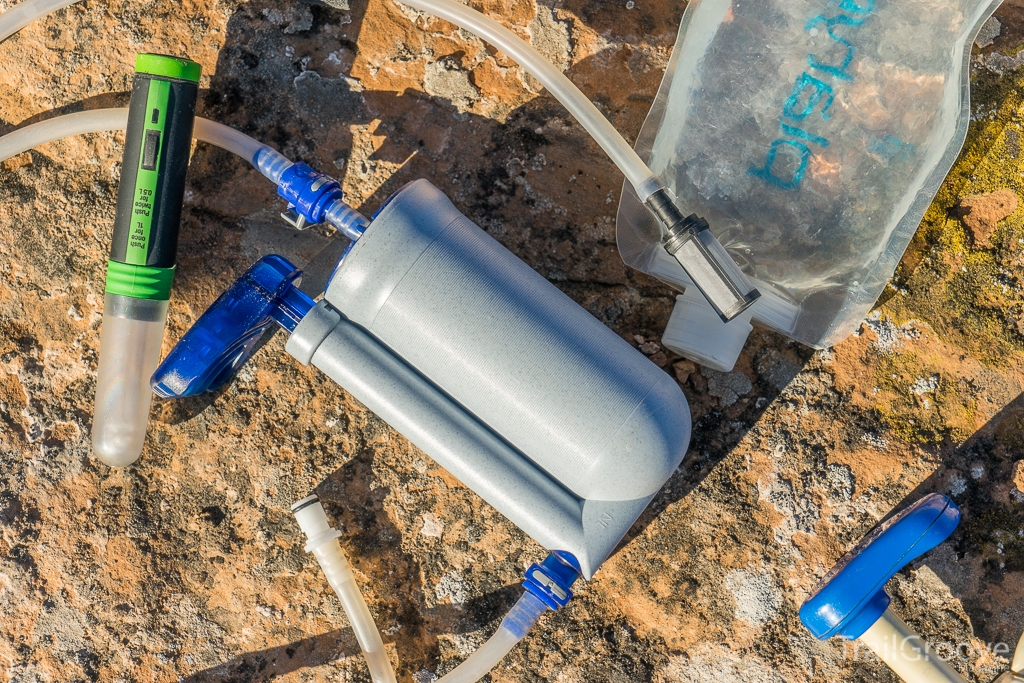
Portable water filters remain the strongest choice for most backpackers because they typically deliver clean drinking water immediately, improve taste, and become cost-effective after extended use. While water purification tablets often cost under $20 per package, frequent travelers usually recover the higher filter cost within a few months of regular use.
Portable Water Filters: Are They Worth the Extra Cost?
Short answer: yes.
Most backpackers who switch to portable water filters rarely go back to tablets as their primary system.
I’ve tested filters on mountain trails where water sources appeared crystal clear and in rural regions where water quality was impossible to verify visually. The biggest surprise wasn’t safety performance. It was convenience. Being able to fill a bottle and drink almost immediately changes how you manage hydration throughout the day.
Think of a portable filter like a good backpack. The initial cost feels high. The daily comfort quickly makes you forget about the price.
According to independent testing standards developed through organizations such as the NSF International drinking water standards program, certified filtration systems undergo performance testing for specific contaminant claims.
What Portable Water Filters Do Best
- Immediate access to treated water
- Better-tasting drinking water
- Lower long-term operating costs
- Easier hydration during active trekking
- Effective removal of many bacteria and protozoa
Who Should Buy a Portable Filter?
A portable filter makes the most sense if you:
- Backpack frequently
- Take multi-day treks
- Travel internationally for extended periods
- Need to treat multiple liters daily
- Prioritize convenience
Backpackers planning longer trekking routes may also benefit from related gear planning advice in Essential Gear for Multi-Day Backpacking Treks.
Water Purification Tablets: The Cheapest Option — But What’s the Catch?
Tablets remain one of the smartest backup items you can carry.
They’re tiny. They’re inexpensive. They require no maintenance.
The catch? They’re rarely the most enjoyable primary solution.
Taste is the biggest complaint. Waiting time comes second.
During long trips, many backpackers discover that the convenience tradeoff becomes more noticeable than expected. It’s similar to carrying an emergency rain poncho instead of a quality waterproof jacket. Both work. One is simply easier to live with every day.
Where Tablets Shine
- Emergency preparedness
- International travel backups
- Virus protection scenarios
- Ultralight travel setups
- Short-duration trips
Who Should Buy Water Purification Tablets?
They’re a strong choice for:
- Budget backpackers
- Occasional travelers
- Emergency kit builders
- Ultralight hikers counting every gram
However, few experienced long-term backpackers rely on tablets alone when treating multiple liters of water every day.
Portable Water Filters vs Tablets: Head-to-Head Comparison
Most buyers approach this decision as if they’re choosing between two competing products.
They’re not.
They’re choosing between two different ways of managing risk, convenience, and daily hydration. One prioritizes speed. The other prioritizes simplicity and backup protection.
| Criteria | Portable Water Filters | Water Purification Tablets |
|---|---|---|
| Typical Price Range | $25–$120 | $8–$20 |
| Best For | Frequent backpackers and trekkers | Emergency kits and budget travelers |
| Key Strength | Immediate drinking water access | Extremely lightweight and compact |
| Main Limitation | Higher upfront cost | Waiting time and taste issues |
| Bacteria Protection | Excellent | Excellent |
| Protozoa Protection | Excellent | Good to Excellent |
| Virus Protection | Depends on model | Often very good |
| Water Taste | Usually improved | Often unchanged or worse |
| Daily Convenience | High | Moderate |
| Our Verdict | Best Overall | Best Backup |
For most backpackers comparing portable water filters against purification tablets, the deciding factor isn’t safety—both can be effective when used correctly. The difference is convenience. A quality filter typically costs $25–$120 upfront but provides faster access to water and a better daily experience during extended travel.
Which Option Is Actually Best for International Backpacking?
Portable filters win for most international travelers.
Here’s why.
Many backpackers spend weeks or months moving between hostels, guesthouses, remote villages, buses, ferries, and trekking routes. Water quality can vary dramatically within a single country.
A portable filter gives you flexibility. You can treat water from more sources without constantly planning around waiting periods.
That said, I strongly recommend carrying purification tablets as a backup. Filters can break. They can freeze. They can clog.
Redundancy matters.
For travelers heading into regions with uncertain infrastructure, our article on Travel Health Insurance for Backpackers covers additional health-risk planning worth considering before departure.
Which Option Is Best for Multi-Day Treks and Wilderness Routes?
This isn’t even close.
Portable water filters are the better primary tool.
On long treks, you’ll often treat multiple liters every day. Repeatedly waiting for tablets becomes frustrating fast.
I’ve watched hikers ration water because they didn’t want to stop and wait again. That’s the exact opposite of what good hydration strategy should look like.
Portable filters function like having a reliable trail companion. Tablets feel more like carrying an emergency spare tire. You absolutely want one available. You just don’t want it to be your only option.
Backpackers preparing for remote routes should also review Emergency Survival Skills for Remote Treks before heading into isolated areas.
Who Should NOT Rely on Water Purification Tablets Alone?
Not everyone needs a filter.
But some people definitely shouldn’t depend exclusively on tablets.
Avoid a tablets-only approach if you:
- Regularly hike multi-day routes
- Travel for weeks at a time
- Need to treat large volumes of water daily
- Dislike chemical tastes
- Frequently encounter muddy or sediment-heavy water
The longer your trip becomes, the stronger the case for a filter.
A weekend hike is one thing.
A three-month backpacking trip across multiple countries is something else entirely.
Red Flags and Marketing Claims I’d Ignore
“Removes Everything” Claims
No treatment method removes every possible threat.
Whenever a company claims total protection without clearly listing contaminants covered, be skeptical.
Look for certification details and testing standards instead of marketing slogans.
Ultra-Cheap Filters Without Independent Testing
A surprisingly common mistake.
If a filter doesn’t clearly explain what it removes and how it was tested, skip it.
Independent standards matter more than advertising copy.
The testing and certification information provided through organizations such as the NSF International standards database can help buyers evaluate claims.
Ignoring Virus Protection Risks
Many backpackers assume all filters address viruses.
They don’t.
This is especially important when traveling in regions where human-source contamination may be a concern.
Always check specifications before purchasing.
“No Backup Needed” Marketing
This is the biggest myth in the category.
Every experienced backpacker I know carries a backup plan.
Filters fail.
Tablets expire.
Bottles get lost.
Redundancy beats confidence every time.
💡 Key Takeaway: The smartest setup isn’t choosing filters or tablets. It’s carrying a primary system and a lightweight backup in case conditions change.
Verdict by Backpacker Type
If you’re a first-time international backpacker…
Go with portable water filters because they’ll simplify daily hydration and reduce decision fatigue.
If you’re an ultralight hiker counting every gram…
Go with water purification tablets because weight savings may outweigh convenience concerns on shorter trips.
If you’re tackling multi-day wilderness treks…
Go with portable water filters because you’ll likely treat large volumes of water repeatedly.
If you’re traveling for several months across multiple countries…
Carry a portable filter plus purification tablets as backup because it provides the best balance of convenience and risk management.
Frequently Asked Questions
Is a portable water filter worth it for beginners?
Short answer: yes. But here’s the nuance.
Beginners often benefit more from convenience than experienced backpackers because they’re still building travel routines. A quality portable filter removes one recurring hassle from every day on the road. If you’re planning more than a few trips, it’s usually money well spent.
What’s the real difference between portable water filters and tablets?
Portable water filters physically remove many contaminants and typically improve taste while providing water immediately.
Tablets work through chemical treatment and usually require waiting time before consumption. Both can be effective, but the daily user experience is very different. Most long-term travelers prefer filters for convenience.
Are water purification tablets good value at under $20?
Yes, if you’re using them as a backup.
As a primary treatment method during extended travel, the value becomes less attractive because you’ll continue buying replacements. For emergency preparedness and occasional trips, they’re excellent.
Should I carry both a filter and tablets?
Great question — this is actually what I recommend most often.
Carry both if:
- Your trip lasts longer than a week
- You’ll visit remote areas
- Water quality is uncertain
- You want a backup if gear fails
The extra weight is minimal, but the added flexibility is substantial.
How do I decide between filters and tablets for my trip?
It depends — here’s exactly how to decide.
Choose portable water filters if you’ll treat water daily, hike frequently, or travel for several weeks.
Choose tablets if your main priority is minimizing weight and cost on shorter trips.
Choose both if you’re traveling internationally for extended periods and want the safest, most flexible setup.
What I’d Actually Pack for Most Backpacking Trips
After years of testing water treatment options in real travel conditions, my recommendation remains remarkably consistent.
I’d pack a portable water filter as my primary system.
I’d also carry a small pack of purification tablets as emergency backup.
That’s it.
The combination solves nearly every practical problem backpackers encounter. You get fast access to cleaner water most of the time, plus a contingency plan when equipment fails or conditions change.
Many backpackers spend hours trying to find the perfect solution. The reality is simpler. Portable water filters deliver the best balance of convenience, cost, and day-to-day usability. Tablets remain valuable, but mostly as insurance.
If I were buying today, I’d go with portable water filters because they make safe drinking water travel easier every single day while still allowing tablets to fill the backup role they’re best suited for.

Dr. Rachel Monroe is a travel safety researcher and certified emergency preparedness consultant with 15 years of experience advising international travelers and outdoor expedition groups. Her safety analysis has been featured in global travel security reports and international tourism conferences.
Now share tips Backpacker Safety & Survival on thebagpacker.com