 Skip to the content

⚡ Quick Answer
Backpackers caught in natural disasters abroad should focus on three priorities: immediate safety, reliable communication, and access to evacuation resources. Most emergency management agencies recommend maintaining at least 72 hours of essential supplies and keeping digital copies of critical travel documents. Quick, informed decisions matter more than carrying extra gear.
thebagpacker.com – Strong travel emergency preparedness is about more than reacting when a crisis occurs—it’s about making informed decisions before, during, and after an unexpected event. Whether traveling short-term or long-term, understanding how to respond in emergencies can significantly improve your safety abroad.
Most travelers assume the disaster itself is the biggest threat.
Turns out, that’s often not true.
After spending 15 years researching travel safety incidents and advising expedition groups, I’ve noticed the same pattern repeatedly. Earthquakes, hurricanes, floods, and volcanic eruptions certainly create danger. Yet many backpackers who end up in serious trouble are affected less by the event itself and more by what happens afterward—confusion, misinformation, communication failures, and poor decision-making.
A surprising finding from the U.S. government’s emergency preparedness guidance is that people commonly underestimate how quickly basic services like transportation, power, and communications can fail during disasters. That’s exactly where international travelers become vulnerable because they’re operating in unfamiliar systems and languages. According to the U.S. Department of Homeland Security’s preparedness recommendations, individuals should be prepared to be self-sufficient for several days during major emergencies.

Why Do So Many Backpackers Freeze During Emergencies Overseas?
Here’s the thing: most backpackers spend months planning destinations but only minutes planning emergencies.
Travel emergency preparedness is the process of preparing for unexpected crises before they happen. For backpackers abroad, it means knowing evacuation options, communication methods, emergency contacts, document backups, and financial contingencies before a disaster disrupts normal travel systems.
The problem isn’t usually a lack of intelligence.
It’s a lack of familiarity.
When a flood hits your hometown, you know where hospitals are located. You understand local news. You know which roads are likely to close. Abroad, all of that local knowledge disappears instantly.
Travel emergency preparedness is preparing for emergencies before they happen.
According to the U.S. government’s emergency readiness guidance, communication plans are among the most important parts of disaster preparation because family members and travelers often become separated during emergencies. You can learn more through the official preparedness resources provided by the U.S. government at Ready.gov emergency communication planning.
💡 Key Takeaway: The biggest danger during many overseas disasters isn’t the initial event. It’s being unprepared when transportation, communication, and information systems suddenly stop working.
The Difference Between Travel Problems and True Disasters
A missed train is a travel problem.
A typhoon shutting down every airport in a region is a disaster.
Many travelers confuse inconvenience with emergency. That distinction matters because the correct response changes completely.
Travel problems can usually be solved with money, patience, or alternative transportation. Natural disasters often remove all three options at the same time.
I’ve watched experienced travelers remain calm after losing luggage but panic when mobile networks went offline during a regional emergency. Sound familiar?
The lesson is simple: prepare for system failures, not just personal inconveniences.
What Is Travel Emergency Preparedness?
Most articles define preparedness as packing extra supplies.
That’s incomplete.
Travel emergency preparedness is a decision-making framework that helps you maintain safety when normal travel systems stop functioning.
Think of it like carrying a spare tire in a car. The spare tire itself isn’t the solution. It’s simply one part of a larger plan that keeps you moving when something fails.
For backpackers, that framework typically includes:
- Emergency communication methods
- Document backups
- Access to emergency funds
- Evacuation planning
- Medical preparedness
For a deeper look at creating communication systems before departure, see Backpacking Emergency Contact Plan.
What nobody tells you is that preparedness is less about gear and more about options.
The travelers who adapt fastest during crises usually aren’t carrying the biggest emergency kits. They’re the ones who already know what they’ll do when Plan A disappears.
How Natural Disasters Abroad Actually Disrupt Travelers
Natural disasters create cascading failures.
One problem triggers another.
Then another.
Then another.
Imagine a row of dominoes. The earthquake, hurricane, or flood is only the first domino. Transportation shutdowns, power outages, banking disruptions, accommodation shortages, and communication failures follow behind it.
That’s why disaster response travel requires a different mindset from normal travel.
According to research from the Federal Emergency Management Agency (FEMA), communities affected by disasters can experience prolonged disruptions to transportation, communications, and critical services even after the immediate threat passes.
Why Communication Breakdowns Create Bigger Problems Than the Disaster Itself
Communication is often the first major casualty.
When mobile towers lose power or networks become overloaded, travelers lose access to maps, bookings, banking apps, translators, and emergency contacts simultaneously.
It’s a little like losing every tool in your toolbox at once.
This is why experienced travelers maintain:
- Offline maps
- Printed emergency contacts
- Downloaded travel documents
- Alternative communication methods
For additional preparation strategies, the guide on Emergency Apps for Backpackers complements these recommendations.
Why Does Panic Make Smart Travelers Make Bad Decisions?
Real talk: panic narrows your thinking.
The human brain prioritizes immediate threats during stressful situations. That’s useful when escaping danger. It’s less useful when evaluating evacuation routes, transportation options, or conflicting information.
Most people think panic looks dramatic.
Actually, it often looks ordinary.
People repeatedly refreshing social media. Travelers rushing to crowded transportation hubs without verified information. Backpackers making expensive decisions simply because everyone around them is doing the same thing.
A 2024 body of emergency management research continues to show that people make better decisions when they follow pre-established plans rather than improvising under stress.
Personally, I’ve found that travelers with written emergency plans behave noticeably differently during disruptions. They don’t necessarily feel calmer. They simply spend less time deciding what to do next.
That difference matters.
Because every minute spent making decisions during a crisis is a minute not spent solving problems.
What Most Backpackers Get Wrong About Disaster Response Travel
Several myths continue to circulate in backpacking communities.
The problem is that these myths often sound reasonable.
The reality is much less comforting.
Is the Embassy Always Going to Rescue You?
This may be the most persistent misconception in international crisis safety.
Most people assume embassies automatically evacuate every stranded traveler.
They don’t.
Embassies can provide information, documentation assistance, and support services. However, travelers are generally expected to take reasonable steps to protect themselves and follow local emergency instructions.
The U.S. Department of State and many other foreign ministries consistently emphasize personal preparedness as a primary responsibility of travelers.
Another common myth is that travel insurance automatically covers every disaster-related expense.
Coverage varies significantly.
Understanding policy limitations before departure matters far more than discovering them during an evacuation.
For more detail, review Travel Insurance Features for Emergencies.
Here’s what the guides won’t say: preparedness is often boring. It involves backups, duplicate documents, emergency contacts, and contingency planning. Yet those boring preparations frequently determine whether a traveler experiences inconvenience or crisis.
💡 Key Takeaway: The safest backpackers don’t rely on embassies, insurance companies, or technology to solve every problem. They build backup options before leaving home.
Now that you know how travel emergency preparedness works, here’s where most people go wrong: they understand the risks but never convert that knowledge into a practical response plan.
What Should You Do in the First 24 Hours After a Natural Disaster Abroad?
The first day matters more than most travelers realize.
Not because every minute is life-or-death, but because early decisions often determine your options later.
When transportation systems become overloaded, hotel vacancies disappear, and communication networks become unreliable, flexibility drops quickly.
The 6-Step Backpacker Emergency Planning Process
Travel emergency preparedness becomes dramatically more effective when travelers follow a simple response sequence. During natural disasters abroad, the goal is not perfection. The goal is maintaining safety, communication, mobility, and access to resources while conditions remain uncertain.
- Move to a verified safe location.
Follow official local emergency instructions before doing anything else. A hostel lobby, airport terminal, or popular tourist gathering point is not automatically safe. - Confirm the situation through official sources.
Check government emergency alerts, local authorities, and embassy notices. Avoid making decisions based solely on social media rumors. - Contact your emergency network.
Send a short status update to family or designated contacts. One clear message reduces confusion and prevents unnecessary rescue requests. - Secure essential documents and funds.
Keep passports, emergency cash, insurance information, and backup payment methods accessible. If digital systems fail, physical copies become valuable. - Review transportation and evacuation options.
Identify multiple routes instead of focusing on a single airport, ferry, or bus station. Redundancy creates flexibility. - Monitor conditions and reassess regularly.
Conditions change quickly during disasters. Reevaluate every few hours using trusted information sources.
How Do You Stay Safe When Local Infrastructure Stops Working?
Spoiler: the goal is not self-sufficiency forever.
The goal is bridging the gap until normal services return or evacuation becomes possible.
When infrastructure fails, prioritize:
| Priority | Focus |
|---|---|
| First | Physical safety |
| Second | Reliable information |
| Third | Communication |
| Fourth | Water and food access |
| Fifth | Transportation planning |
| Sixth | Financial access |
Think of it like a ladder. Missing a lower rung makes climbing the higher ones much harder.
Many backpackers focus immediately on leaving.
Sometimes that’s correct.
Sometimes remaining in a safe location is the smarter choice. Roads, airports, and ports often become bottlenecks immediately after major events.
For travelers heading into remote areas, the strategies discussed in Emergency Survival Skills for Remote Treks become especially relevant when outside assistance is delayed.
Why Travel Insurance and Emergency Funds Matter More Than Most People Think
People often view emergency funds as financial tools.
During disasters, they’re really mobility tools.
A traveler with access to emergency funds can secure alternative accommodation, purchase transportation, replace essentials, or extend a stay if evacuation isn’t immediately possible.
The same applies to insurance.
Insurance is not primarily about reimbursement. It’s about access to support networks, medical assistance, and emergency coordination when normal systems become difficult to navigate.
For a deeper understanding of financial preparedness, see Emergency Cash vs Credit Cards for Backpackers.
What nobody talks about enough is liquidity.
A traveler might technically have money available while still being unable to access it due to banking outages, payment network failures, or ATM disruptions.
That’s why experienced backpackers diversify:
- Cash
- Debit cards
- Credit cards
- Emergency reserves stored separately
What Most Backpackers Get Wrong About Disaster Response
| What Most People Believe | What Actually Happens |
|---|---|
| Leaving immediately is always safest. | Evacuation routes may initially be more dangerous or overcrowded. |
| Embassies automatically rescue everyone. | Travelers remain responsible for many aspects of their own safety and logistics. |
| Mobile phones always provide information. | Networks frequently become overloaded or lose service during disasters. |
At-a-Glance Disaster Response Reference
| Situation | Do | Don’t |
|---|---|---|
| Earthquake | Move away from damaged structures | Rush back into buildings |
| Flood | Move to higher ground | Walk through moving water |
| Hurricane/Typhoon | Shelter as instructed by authorities | Travel during peak storm conditions |
| Volcanic Eruption | Follow ash and evacuation advisories | Assume visible distance equals safety |
| Communication Failure | Use backup contacts and offline resources | Depend entirely on mobile data |
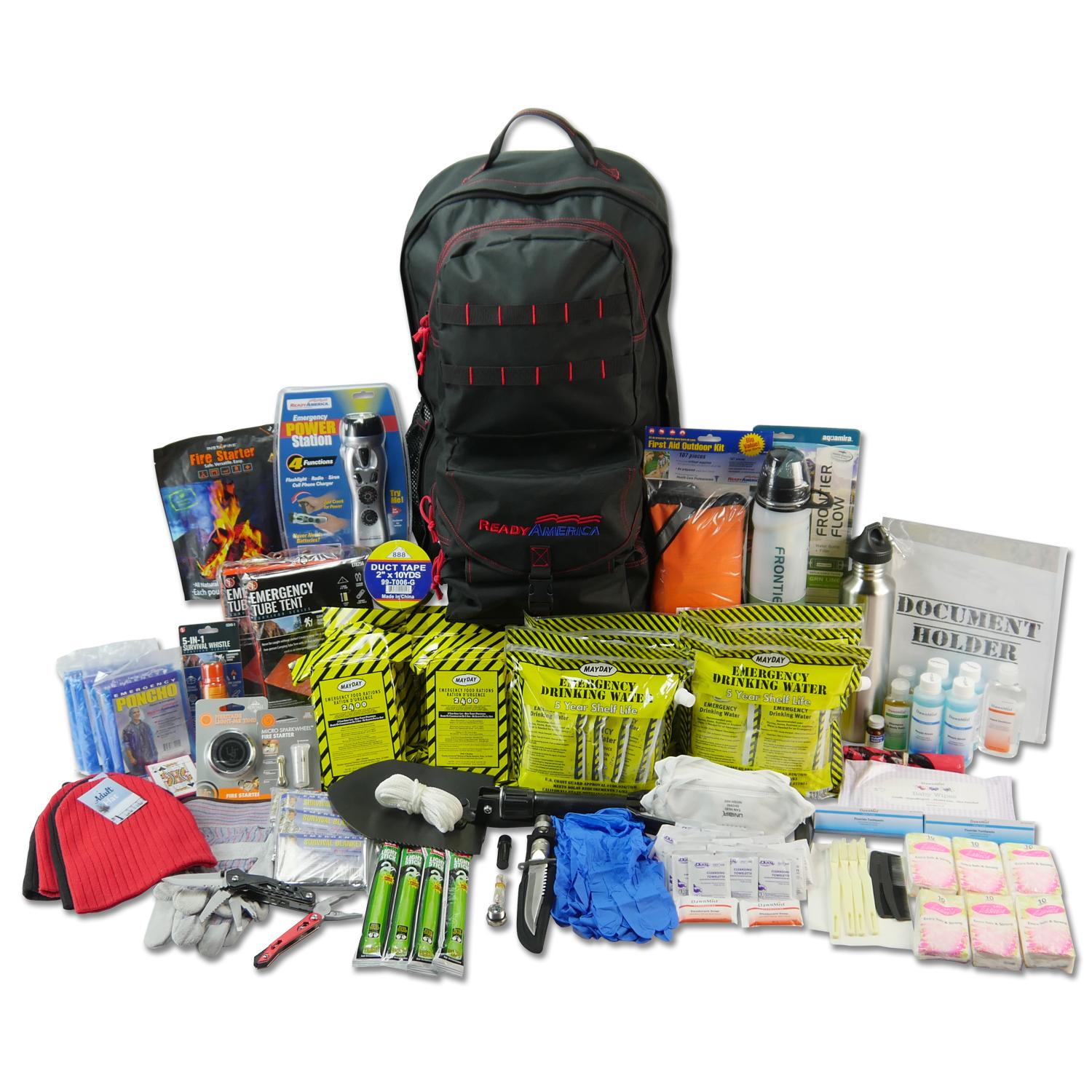
Official emergency preparedness guidance from the U.S. government recommends maintaining emergency supplies capable of supporting basic needs for at least 72 hours when disasters disrupt normal services. More information is available through Ready.gov emergency kit guidance.
Frequently Asked Questions
How does travel emergency preparedness actually work during a disaster?
Travel emergency preparedness works by reducing uncertainty before a crisis begins. Instead of making every decision under pressure, travelers rely on plans created in advance. That includes communication procedures, document backups, evacuation options, and emergency funds. The goal is maintaining options when normal systems become unreliable.
Is it true that embassies evacuate every stranded traveler?
No. That’s one of the most common misconceptions in international crisis safety. Embassies can provide information, documentation support, and emergency assistance, but travelers remain responsible for many aspects of their own safety and transportation arrangements. Policies vary by country and situation.
How long should emergency supplies last when traveling abroad?
Many emergency management organizations recommend planning for at least 72 hours of self-sufficiency. That doesn’t mean carrying three days of food everywhere. It means having enough resources, funds, and contingency options to function if transportation and local services are disrupted for several days.
Can mobile phones be trusted during major disasters?
Fair warning: phones are useful until they’re not. Mobile networks often become congested during emergencies because everyone tries to communicate simultaneously. Offline maps, downloaded documents, printed contacts, and backup charging methods provide important redundancy.
What is the biggest mistake backpackers make during international crises?
Okay, this one’s more complicated than it sounds. The biggest mistake isn’t necessarily poor gear or lack of supplies. It’s assuming normal travel systems will continue functioning. Most crisis-related problems occur because travelers don’t prepare for communication failures, transportation disruptions, and financial access issues.
What This Actually Means for You
The most important mindset shift is surprisingly simple.
Stop preparing for disasters.
Start preparing for disruption.
Natural disasters abroad come in many forms—earthquakes, floods, hurricanes, volcanic eruptions, landslides, and severe storms. Yet the challenges backpackers face afterward are remarkably similar. Communication becomes harder. Transportation becomes limited. Information becomes confusing.
That’s where travel emergency preparedness makes the difference.
The travelers who navigate emergencies most effectively are rarely the luckiest. They’re usually the ones who spent a little time preparing before the trip began.
If you’re still building your emergency planning system, start with a written contact plan, digital document backups, and a dedicated emergency fund. Then review our guide to What to Do During Natural Disasters Abroad and Digital Backups for Travel Documents to strengthen your preparation further.

Dr. Rachel Monroe is a travel safety researcher and certified emergency preparedness consultant with 15 years of experience advising international travelers and outdoor expedition groups. Her safety analysis has been featured in global travel security reports and international tourism conferences.
Now share tips Backpacker Safety & Survival on thebagpacker.com